

Redefine Travel Goals
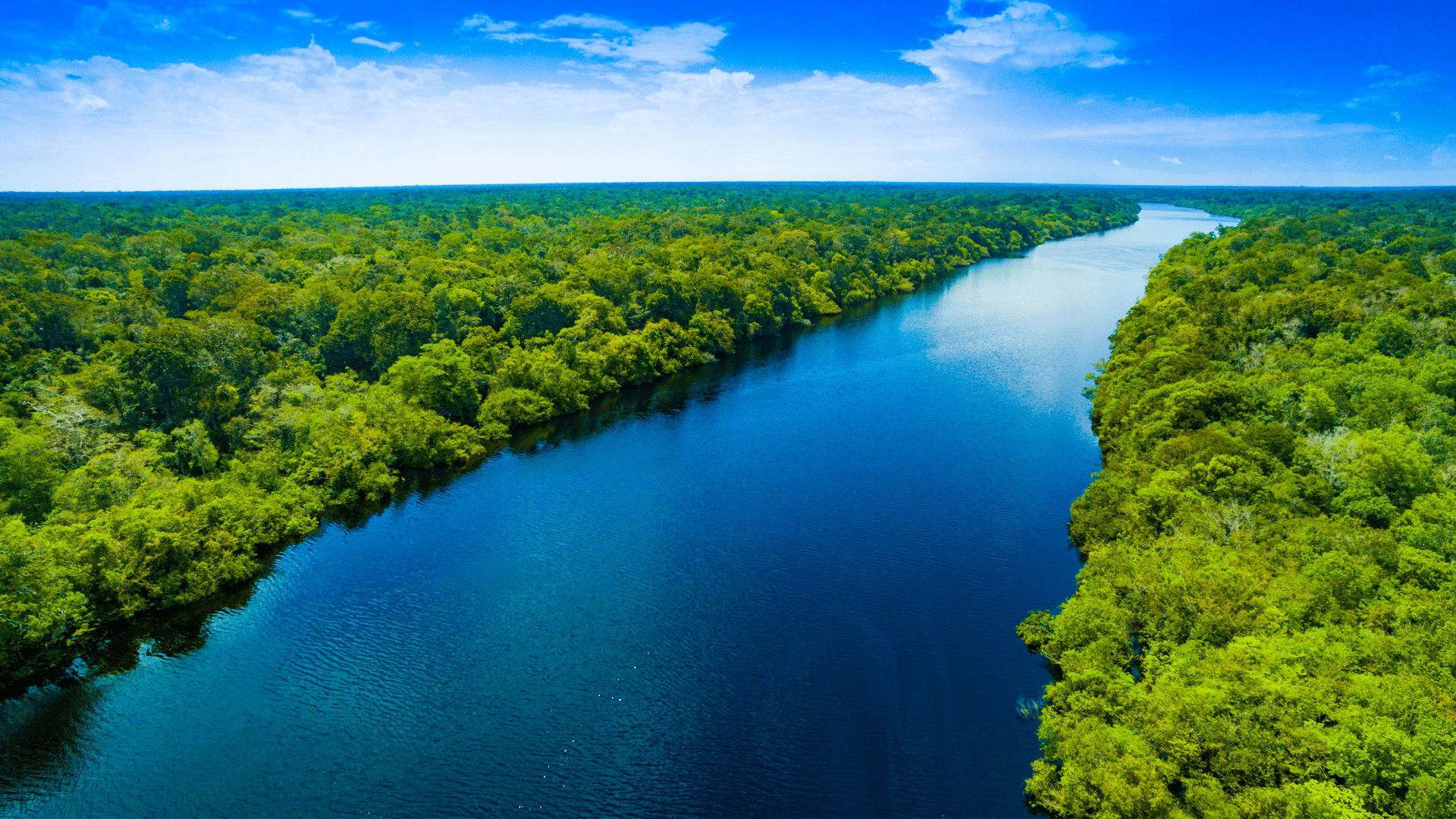
One of the most admired travel trends today is the idea that we can have the trip of a lifetime while simultaneously caring for the local people and places we visit. More than ever, we are looking for travel that gives more than it takes—experiences that contribute to the long-term well-being of local communities and protect the flora, fauna, and cultures we seek to celebrate.
Done right, sustainable tourism is more than just a marketing catchphrase; it is the basis of an enduring, positive benefit that adds purpose to our journeys and meaning to our memories.
Here are five inspirations to help you travel for good.
.png "Conservation (14)")
1. Be an Animal Ambassador
Are you an animal lover? Have you dreamed of experiencing wildlife while learning how to restore and sustain biodiversity?
Our handcrafted itinerary, "Picturesque Sri Lanka," takes you to the Pinnawala Elephant Orphanage, one of the largest elephant conservation projects in the nation. Here, you can learn about the care provided to abandoned and wounded elephants.
In Africa, Singita Lodges focus heavily on animal conservation through a wide range of initiatives. One such program is "Black Rhino Guardianship," which is largely funded by guests to monitor the health and ensure the survival of this critically endangered species.
_0.png "Conservation (6)_0")
2. Conserve Marine Life
Ocean pollution is a serious threat to marine life, destroying habitats and risking a future where diving becomes a heartbreaking activity.
The Coral Triangle is located in a remote section of Southeast Asia, spanning the 17,000 islands of the Indonesian archipelago. These are among the most significant reef systems on Earth and have long been a "best-kept secret" among marine scientists and avid divers. Here, you may encounter more than 2,000 species of fish, from the world’s largest sharks to tiny, vivid nudibranchs. Notably, six of the world’s seven species of marine turtles call this place home.
To explore this fragile ecosystem responsibly, we must minimize our carbon footprint. The luxury yacht Sequoia was built according to US Coast Guard Safety Standards with a strong focus on sustainability. Aside from employing local staff, they enforce a "no single-use plastic" policy and ensure all bath products are palm-oil free.
.png "Conservation (13)")
3. Be a Community Leader
Travel isn't just about pleasure; it can be a meaningful way to give back to local communities. Our partner, Belmond, aims to make a positive contribution to every destination where they operate. Whether on their trains, river cruises, or in their hotels, they run initiatives to support the surrounding people. Onboard the Road to Mandalay cruise, guests can visit schools and clinics built through the company’s social programs.
Similarly, Six Senses Krabey Island is an eco-resort that produces most of its own ingredients in a half-hectare organic market farm. Their "farm-to-table" practices champion the sustainable concept of "grow local, eat local."
4. Travel as "Edutainment"
Travel is a powerful catalyst for self-education and environmental protection. An expedition cruise is a perfect example of "edutainment"—education through entertainment.
A Silversea Galápagos expedition brings you to one of the most isolated places on Earth to encounter unique wildlife found nowhere else. This is the very birthplace of Charles Darwin’s The Origin of Species. During the cruise, you will attend enrichment lectures and guided Zodiac excursions led by a highly qualified Expedition Team, helping you understand how to preserve this delicate biodiversity.
.png "Conservation (11)")
5. Protect Natural Habitats
Animals and their habitats are sensitive; travelers can easily disturb their shelters if not careful. Onboard Aqua Expeditions in Peru, Vietnam, or Cambodia, guests join daily excursions led by professional naturalist guides.
These guides teach guests about endemic species, animal behavior, and local ecosystems. By participating in Amazon flora and fauna workshops, guests learn to recognize different species of lianas and trees, understanding the stratification of the jungle environment. This knowledge serves as significant support for the ongoing protection of wildlife habitats.